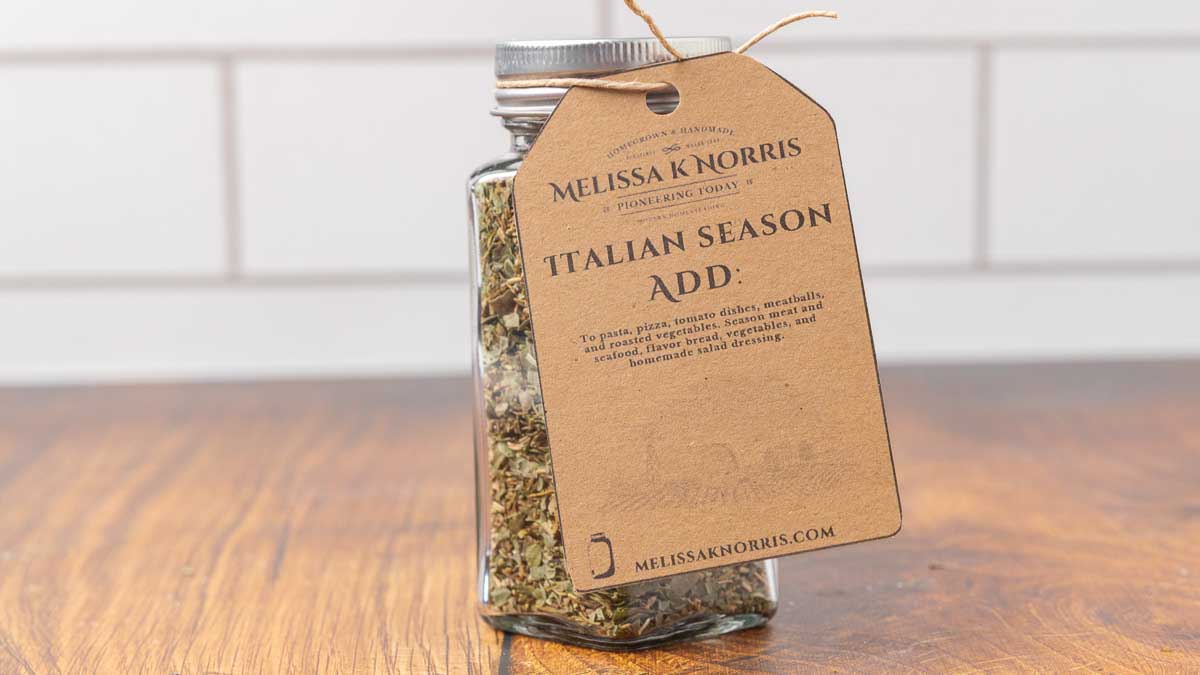
Unleash Authentic Flavors: Craft Your Own DIY Italian Seasoning
Are your dishes craving that elusive spark, that burst of aromatic flavor that transports you straight to the heart of Italy? While store-bought blends offer convenience, they often fall short on freshness and can hide unwelcome additives. Imagine a vibrant, personalized homemade Italian seasoning, crafted with care in your own kitchen – a blend that not only elevates your cooking but also puts you in control of every single ingredient. This article will guide you through creating your very own versatile, fragrant Italian seasoning recipe, transforming ordinary meals into culinary masterpieces.
Making your own herb and spice blends is one of the simplest yet most impactful ways to upgrade your cooking. Beyond the obvious benefits of fresh taste, a DIY approach allows for complete customization, ensuring your seasoning perfectly matches your palate and dietary preferences. Get ready to bid farewell to bland and embrace a world of vibrant, homemade flavor.
What Exactly Is Italian Seasoning? (And Its Surprising History)
At its core, Italian seasoning is a delightful medley of dried herbs, thoughtfully combined to evoke the quintessential flavors of Mediterranean-inspired cuisine. While the exact blend can vary, it typically features a harmonious mix of basil, oregano, thyme, rosemary, sage, and marjoram. Some variations might also incorporate garlic powder, onion powder, dried parsley, or even a pinch of red pepper flakes for an extra kick, adding layers of depth and complexity.
Here’s a fascinating twist: despite its name, Italian seasoning as a pre-mixed blend isn't traditionally found in Italian kitchens. In Italy, culinary practices are deeply regional, and chefs tend to use individual fresh or dried herbs specific to a dish or area. For instance, basil and oregano are staples in the sun-drenched south, while rosemary and sage are more prevalent in the robust north. The convenient, pre-blended Italian seasoning we know and love today is, in fact, a distinctly American innovation. It gained widespread popularity in the United States during the 20th century, particularly in the 1970s and 80s, as Italian-American cuisine became a household favorite. It offered home cooks an effortless way to infuse dishes like pasta sauces, pizzas, and roasted vegetables with a familiar "Italian" essence without having to measure out multiple individual herbs. To delve deeper into this intriguing origin story, check out The True Story of Italian Seasoning: An American Kitchen Staple.
Regardless of its origins, Italian seasoning has become an indispensable pantry staple for its incredible versatility. It provides a quick and easy way to replicate beloved Italian flavors, enhancing everything from hearty soups and stews to grilled meats and, of course, classic pasta dishes.
Why Go DIY? The Benefits of Crafting Your Own Italian Seasoning Recipe
Choosing to craft your own Italian seasoning recipe goes far beyond simply saving a few pennies. It’s an investment in flavor, health, and culinary creativity. Here’s why making your own blend is a game-changer:
- Unmatched Freshness and Potency: Store-bought seasonings can sit on shelves for extended periods, causing their volatile oils to diminish. When you blend your own, you're using fresh, vibrant dried herbs that retain their full aroma and flavor, resulting in a noticeably more potent and aromatic seasoning.
- Control Over Ingredients: Commercial blends often contain anti-caking agents, excessive salt, or other fillers you might want to avoid. By making your own, you have complete control over the quality and type of every ingredient, ensuring a pure, wholesome blend free from unwanted additives. This is especially beneficial for those with allergies or specific dietary needs.
- Customization to Your Palate: Love garlic? Add more! Prefer a little heat? Sprinkle in extra red pepper flakes. Your homemade blend can be perfectly tailored to your personal taste preferences, creating a unique signature seasoning that store-bought versions can't match.
- Cost-Effectiveness: While the initial outlay for individual dried herbs might seem higher, buying them in larger quantities and blending them yourself is often more economical in the long run than repeatedly purchasing small jars of pre-mixed seasoning.
- Sense of Accomplishment: There's a real satisfaction in creating something delicious from scratch. Your homemade Italian seasoning will be a testament to your culinary prowess, ready to impress every time you cook.
The Core Components: Key Herbs for Your Italian Seasoning Recipe
The magic of Italian seasoning lies in the synergistic blend of its constituent herbs, each bringing its own unique character to the mix. Understanding these profiles will help you appreciate (and customize) your homemade blend:
- Dried Basil: A cornerstone of Italian cuisine, dried basil offers a sweet, peppery, and slightly anise-like flavor. It provides a fragrant, earthy foundation that is indispensable for pasta and pizza sauces.
- Dried Oregano: With its robust, earthy, and slightly bitter notes, oregano is often considered the most assertive herb in the blend. It's a hallmark flavor of Southern Italian cooking and adds incredible depth.
- Dried Thyme: Thyme contributes a strong, earthy, and subtly minty flavor with hints of lemon. It adds a savory depth that complements meats, stews, and roasted vegetables beautifully.
- Dried Rosemary: Distinctive and aromatic, rosemary offers a fragrant, piney, and slightly peppery flavor. It’s particularly suited for heartier dishes, roasts, and breads.
- Dried Marjoram: Often mistaken for oregano but milder, marjoram provides a sweet, delicate, and slightly floral flavor with subtle citrus and pine undertones. It rounds out the blend with an aromatic gentleness.
- Dried Sage: Earthy, warm, and slightly peppery with a hint of mint, sage is a powerful herb often used with poultry and rich meats. It adds a comforting, savory quality to the blend.
Optional Additions for Extra Flair:
- Garlic Powder: For an unmistakable savory kick.
- Onion Powder: Adds a subtle, sweet allium background.
- Red Pepper Flakes: If you appreciate a touch of heat.
- Dried Parsley: A bright, fresh, herbaceous note.
Crafting Your Own Italian Seasoning Recipe: A Simple Guide
Ready to make your own? This basic Italian seasoning recipe provides a fantastic starting point. Feel free to adjust the ratios based on your preferences!
Ingredients:
- 2 tablespoons dried oregano
- 1½ tablespoons dried basil
- 1 tablespoon dried thyme
- 1 tablespoon dried rosemary
- 1 tablespoon dried marjoram
- 1 teaspoon dried sage
- Optional: 1 teaspoon garlic powder
- Optional: ½ teaspoon onion powder
- Optional: ½ teaspoon red pepper flakes
Equipment:
- Small mixing bowl
- Spoon or whisk
- Airtight jar or spice container
- (Optional) Mortar and pestle or spice grinder for a finer consistency
Instructions:
- Gather Your Herbs: Ensure all your dried herbs are relatively fresh. Older herbs will have lost much of their potency.
- Combine: In your small mixing bowl, combine the oregano, basil, thyme, rosemary, marjoram, and sage. If using, add the garlic powder, onion powder, and red pepper flakes.
- Mix Thoroughly: Use a spoon or whisk to gently but thoroughly combine all the herbs. For a finer texture, you can briefly pulse the mixture in a spice grinder or gently crush it with a mortar and pestle, taking care not to turn it into a fine powder unless desired.
- Store: Transfer your freshly made Italian seasoning into a clean, airtight jar or spice container.
- Label: Don't forget to label your jar with the name of the blend and the date it was made.
Tips for Customization and Storage
Making your own blend empowers you to adapt it to any dish or dietary need. Want a bolder flavor for meat dishes? Increase the rosemary and sage. Preparing a delicate pasta sauce? Lean more heavily on basil and marjoram. Don't be afraid to experiment with the ratios until you find your perfect blend!
Proper storage is crucial for maintaining the potency and freshness of your homemade seasoning. Always store your Italian seasoning in an airtight container, away from direct sunlight, heat, and moisture. A cool, dark pantry or cupboard is ideal. While dried herbs don't "go bad" in the traditional sense, their flavor and aroma will diminish over time. For optimal potency, aim to use your blend within 6 to 12 months. You'll know it's time to refresh your batch when the vibrant aroma fades.
Beyond Pasta: How to Use Your Homemade Italian Seasoning
Your freshly made Italian seasoning is incredibly versatile and can elevate a myriad of dishes. Here are just a few ideas to get you started:
- Pasta Sauces: The obvious choice! Stir into marinara, Bolognese, or a simple olive oil and garlic sauce.
- Pizza Perfection: Sprinkle generously over homemade pizza dough with olive oil, or mix into your pizza sauce.
- Roasted Vegetables: Toss chopped zucchini, bell peppers, onions, potatoes, or carrots with olive oil and a generous amount of seasoning before roasting.
- Meats and Poultry: Rub onto chicken, pork chops, beef, or fish before grilling, baking, or pan-frying. It's fantastic in meatballs and meatloaf.
- Soups and Stews: Add a teaspoon or two to lend an aromatic depth to nearly any savory broth-based dish.
- Garlic Bread & Focaccia: Mix with olive oil and brush onto bread before baking, or sprinkle directly onto dough.
- Homemade Dressings and Marinades: Whisk into vinaigrettes or use as a base for chicken or vegetable marinades.
- Bread Dipping Oil: Combine with high-quality olive oil, a pinch of salt, and a dash of red pepper flakes for an irresistible appetizer.
- Eggs: A sprinkle over scrambled eggs, omelets, or frittatas adds a delightful touch.
Conclusion
Crafting your own DIY Italian seasoning recipe is a simple act with profound culinary rewards. It's an opportunity to embrace freshness, customize flavors, and avoid unnecessary additives, all while saving money in the long run. By taking a few minutes to blend this aromatic mixture, you’re not just making a seasoning; you’re creating a versatile flavor enhancer that will transform your everyday cooking into something truly special. So gather your herbs, mix your blend, and get ready to infuse your meals with the authentic, vibrant taste of homemade Italian tradition.
