Elevate Your Dishes: Why Homemade Italian Seasoning Is a Must-Have
Are your meals lacking that certain something? Do you dream of infusing your home cooking with the vibrant, aromatic essence of the Mediterranean, but find yourself relying on bland, store-bought spice blends? It's time to unlock a world of flavor right in your own kitchen. Creating your very own homemade Italian seasoning is not just a culinary task; it's an investment in better, fresher, and more personalized dishes. Say goodbye to guesswork and hello to a culinary masterpiece!
This article will delve into the magic of this versatile blend, explore its surprising origins, and convince you why crafting your own italian seasoning recipe is a game-changer for any home cook. Get ready to transform everyday ingredients into extraordinary meals, effortlessly.
What is Italian Seasoning (and its Surprising American Roots)?
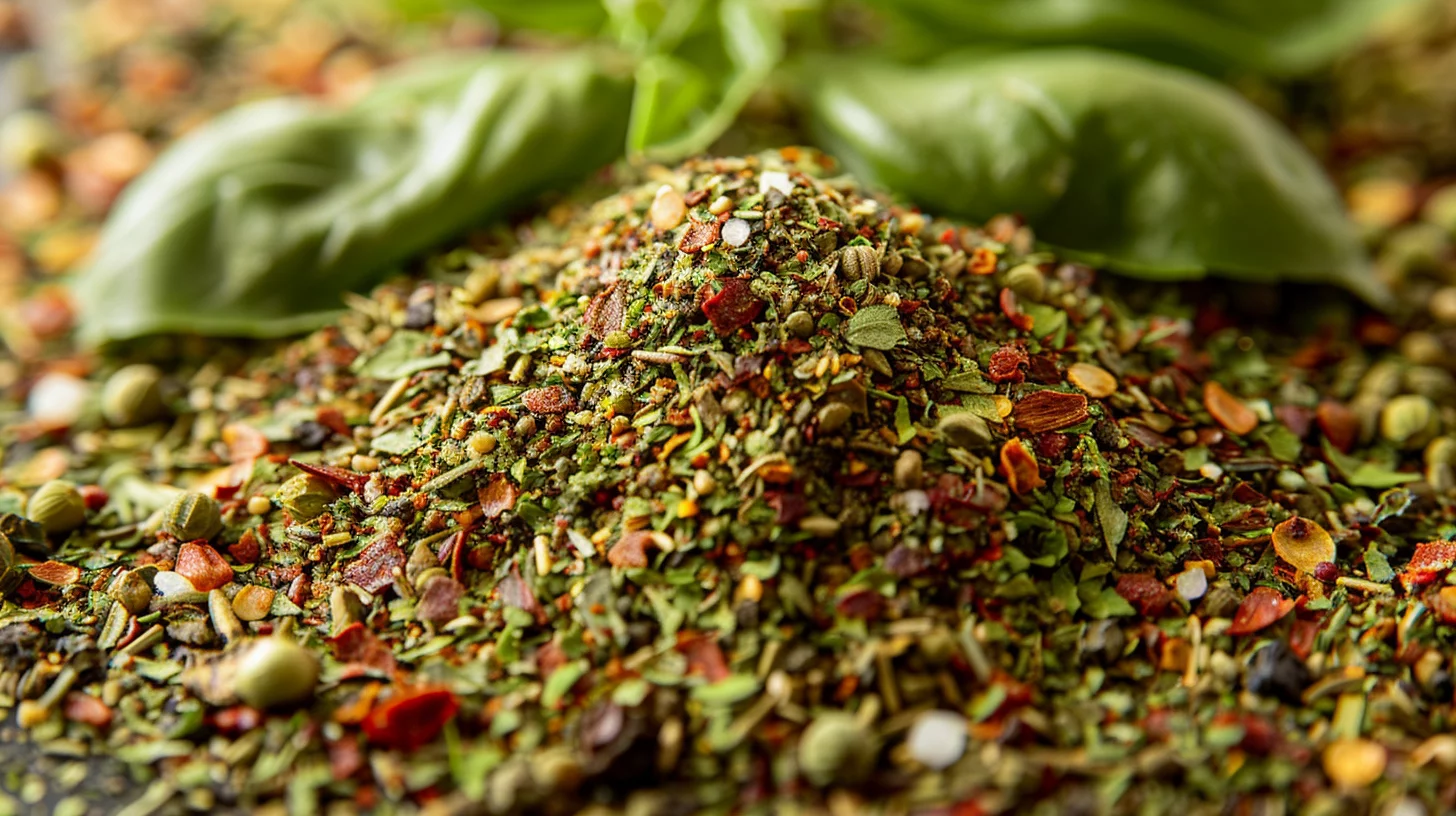
At its heart, Italian seasoning is a delightful medley of dried herbs, thoughtfully combined to evoke the warm, savory profiles often associated with Italian and Mediterranean cuisine. While the exact blend can vary, it typically features a harmonious combination of:
- Dried Basil: Lending a sweet, aromatic foundation with hints of pepper and mint.
- Dried Oregano: Offering a robust, earthy, and slightly pungent kick.
- Dried Thyme: Contributing savory depth with subtle lemon and mint undertones.
- Dried Rosemary: Infusing a fragrant, piney, and subtly peppery note.
- Dried Sage: Providing an earthy, slightly peppery, and savory complexity.
- Dried Marjoram: Adding a mild, sweet, and delicately floral character.
Beyond these core herbs, some popular variations of an italian seasoning recipe might include garlic powder for an umami punch, dried parsley for a touch of freshness and color, or red pepper flakes for a welcome hint of heat. The beauty of making your own is the complete control you have over these additions.
What might surprise many is that while it conjures images of rustic Italian kitchens, Italian seasoning as a pre-mixed blend is actually a more modern, American innovation. It gained widespread popularity in the United States during the mid-to-late 20th century, particularly in the 1970s and 80s. Its rise coincided with the increasing popularity of Italian-American dishes, offering home cooks a convenient, single-stop solution to flavor their pasta sauces, pizzas, roasted meats, and vegetables without having to measure out individual herbs. The True Story of Italian Seasoning: An American Kitchen Staple is a fascinating read that further explores this captivating history.
In contrast, traditional Italian cooking often emphasizes individual herbs, chosen based on regional culinary practices. For instance, basil and oregano are staples in the south, while rosemary and sage are more prevalent in northern Italian dishes. Despite its American origins, this versatile blend has become an indispensable pantry staple worldwide, bridging cultural palates and simplifying flavorful cooking.
Key Ingredients: Crafting Your Perfect Italian Seasoning Recipe
Understanding the individual contributions of each herb is crucial to developing your ideal italian seasoning recipe. By knowing what each brings to the table, you can adjust ratios to suit your personal preferences or specific dishes.
The Core Herbs and Their Flavors:
- Dried Basil: Known for its sweet, slightly peppery, and subtly minty aroma. Basil is fundamental to many tomato-based sauces and adds a bright, herbaceous lift.
- Dried Oregano: A robust and earthy herb, oregano delivers a pungent flavor that is quintessential to pizzas, pasta sauces, and grilled meats. It's often considered the backbone of many Mediterranean spice blends.
- Dried Thyme: With an earthy, savory, and delicate lemon-mint profile, thyme is incredibly versatile. It pairs wonderfully with roasted vegetables, poultry, and in hearty stews, adding depth without overpowering other flavors.
- Dried Rosemary: Distinctive for its fragrant, piney, and slightly peppery notes, rosemary brings a sophisticated, aromatic quality. It's exceptional with roasted potatoes, lamb, and focaccia bread.
- Dried Marjoram: Often described as a milder, sweeter version of oregano, marjoram offers a delicate, floral, and slightly citrusy essence. It rounds out the blend beautifully, adding complexity without aggression.
- Dried Sage: Earthy, with a hint of pepper and a savory, almost musky aroma, sage is a powerful herb. It complements pork, poultry, and rich sauces, adding warmth and depth.
Optional Enhancements for Your Blend:
- Garlic Powder: For those who love an extra layer of savory depth, garlic powder is a fantastic addition. It provides a foundational umami note that harmonizes with all the herbs.
- Dried Parsley Flakes: While less potent than its fresh counterpart, dried parsley can add a touch of fresh green color and a mild, clean herbaceous note to your blend.
- Red Pepper Flakes: If you enjoy a bit of warmth and a gentle kick, a pinch of red pepper flakes can elevate your seasoning, particularly for pizzas, pasta arrabbiata, or spicier marinades.
The beauty of a homemade italian seasoning recipe is that you become the conductor of your own flavor symphony. Adjusting these components allows you to fine-tune the blend to your exact palate.
Why Go Homemade? The Undeniable Advantages of Your Own Italian Seasoning Blend
While store shelves are brimming with pre-mixed Italian seasonings, taking the extra step to craft your own offers a multitude of benefits that simply can't be matched.
- Unmatched Freshness and Potency: Herbs lose their potency over time. When you buy pre-mixed blends, there's no telling how long they've been sitting on a shelf. Making your own ensures you're starting with fresher, more vibrant dried herbs, resulting in a significantly more aromatic and flavorful seasoning.
- Control Over Ingredients and Quality: Many commercial blends contain anti-caking agents, excessive salt, or other fillers. With your own italian seasoning recipe, you dictate every ingredient. This is particularly beneficial for those managing sodium intake, allergies, or simply preferring a pure, unadulterated product.
- Tailored Customization: This is perhaps the greatest advantage. Love rosemary? Add more! Prefer a subtle touch of sage? Dial it back. Want a salt-free version? Easy! Your kitchen, your rules. You can truly personalize your blend to perfectly suit your taste preferences and the specific dishes you're preparing. For more ideas on how to customize your blend, check out DIY Italian Seasoning: Craft Your Own Fresh Herb Blend at Home.
- Cost-Effectiveness in the Long Run: While the initial purchase of individual herbs might seem more expensive, buying them in bulk (especially from a reputable spice shop) and mixing them yourself is often more economical than repeatedly buying small jars of pre-made blends.
- A Sense of Culinary Accomplishment: There's immense satisfaction in creating something from scratch. Knowing you've mixed your own potent, aromatic blend adds an extra layer of pride and enjoyment to your cooking. It transforms a simple dish into something truly personal and special.
Crafting Your Perfect Italian Seasoning Recipe: Tips for Success
Making your own homemade Italian seasoning is surprisingly simple. Here are some practical tips to ensure your blend is a resounding success:
- Source High-Quality Dried Herbs: The quality of your final blend is directly dependent on the quality of your individual herbs. Look for vibrant colors and strong aromas. If an herb looks dull or smells like dust, it's past its prime. Specialty spice shops or the bulk section of health food stores are excellent places to find fresh, potent dried herbs.
- Consider General Ratios: While customization is key, a good starting point for a basic italian seasoning recipe often involves equal parts of basil, oregano, and thyme, with slightly lesser amounts of rosemary and marjoram, and an even smaller amount of sage (due to its stronger flavor). From there, adjust to taste.
- To Grind or Not to Grind: Most dried herbs in Italian seasoning are used as flakes. However, some cooks prefer to lightly crush or even finely grind a portion of the blend (especially rosemary) to release more oils and create a finer powder for specific applications, like sprinkling on popcorn or garlic bread. Experiment to see what you prefer.
- Proper Storage is Key: Once your blend is mixed, store it in an airtight container (glass jars are ideal) in a cool, dark place, away from direct sunlight and heat. This will help preserve its potency and aroma for several months, typically up to 6-12 months, although it's best when used within 3-6 months.
- Taste and Adjust: Don't be afraid to taste your blend! Mix a small amount into a neutral base like unsalted butter or olive oil, or sprinkle it on a piece of plain bread. This will give you a good idea of its flavor profile and if it needs more of a particular herb or an optional addition like garlic powder.
Unleash Flavor: How to Use Your Homemade Italian Seasoning
Once you have your perfected homemade Italian seasoning blend, the culinary possibilities are endless. This versatile mix can:
- Transform Pasta Sauces: Stir it into marinara, Bolognese, or a simple olive oil and garlic sauce for an instant flavor boost.
- Elevate Pizzas and Breads: Sprinkle it generously over your homemade pizza before baking, mix it into focaccia dough, or whisk it into olive oil for an irresistible bread dip.
- Brighten Roasted Vegetables: Toss potatoes, zucchini, bell peppers, or asparagus with olive oil and your Italian seasoning before roasting for vibrant, aromatic side dishes.
- Flavor Meats and Poultry: Use it as a rub for chicken, fish, pork, or beef. It's also fantastic in marinades and meatloaf.
- Enhance Soups and Stews: A spoonful can deepen the flavor of minestrone, lentil soup, or any hearty stew.
- Craft Dressings and Vinaigrettes: Whisk it into your favorite salad dressing recipe for a herbaceous kick.
- Season Eggs: A dash on scrambled eggs or an omelet adds an unexpected layer of flavor.
Conclusion: Your Kitchen's New Secret Weapon
Stepping into the world of homemade seasonings is a rewarding journey, and creating your own italian seasoning recipe is an ideal starting point. By taking control of the ingredients, enjoying unparalleled freshness, and tailoring the blend to your exact preferences, you're not just making a spice mix; you're crafting a key to unlocking richer, more authentic flavors in every dish. Say goodbye to bland meals and generic store-bought blends, and embrace the vibrant, aromatic possibilities that your very own homemade Italian seasoning brings to the table. Your taste buds—and your guests—will thank you.
